Posts

Demystifying Polycystic Ovary Syndrome (PCOS): Causes, Symptoms, and Management Guide
Image
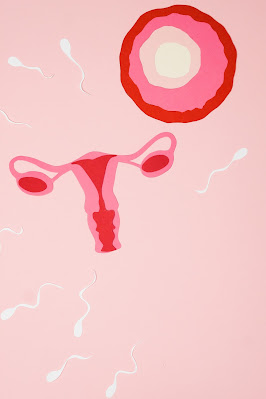
Polycystic Ovary Syndrome (PCOS) is a common endocrine disorder that affects millions of women worldwide. It is characterized by hormonal imbalances, reproductive difficulties, and a range of symptoms that can impact a woman's physical and emotional well-being. In this article, we will delve into the causes, symptoms, and management strategies for PCOS. I. What is Polycystic Ovary Syndrome ?  Polycystic Ovary Syndrome is a complex hormonal disorder that affects the ovaries. It is characterized by the presence of multiple small cysts on the ovaries, irregular menstrual cycles, and high levels of androgens (male hormones) in the body. While the exact cause of PCOS remains unknown, researchers believe it involves a combination of genetic and environmental factors. II. Common Symptoms of PCOS : Menstrual Irregularities : Women with PCOS often experience irregular or absent menstrual periods due to disrupted ovulation patterns. Excessive Androgen Levels : Elevated levels of androgens ca...

Unlocking Fertility: Understanding the Ovulatory Phase of the Menstrual Cycle

Image
The menstrual cycle is a complex and fascinating process that plays a vital role in women's reproductive health. It consists of distinct phases, each serving a specific purpose. In this article, we will delve into the ovulatory phase, a crucial stage where a woman's fertility peaks. Understanding this phase is essential for those trying to conceive or simply seeking insights into their reproductive health. The Menstrual Cycle Overview : Before delving into the ovulatory phase, let's briefly understand the menstrual cycle as a whole. On average, a menstrual cycle lasts around 28 days, although variations are common. It comprises four main phases: menstruation, follicular phase, ovulatory phase, and luteal phase. Each phase is regulated by a delicate interplay of hormones. The Ovulatory Phase Explained : The ovulatory phase is the period during which a mature egg is released from the ovary and becomes available for fertilization. It usually occurs around the middle of the men...

Unlocking the Secrets: Exploring the Follicular Phase of the Menstrual Cycle

Image
The menstrual cycle is an intricate process that occurs in the female reproductive system, bringing about various changes in a woman's body. One of the key phases of this cycle is the follicular phase. In this article, we will delve into a comprehensive understanding of the follicular phase, exploring its significance, key events, and hormonal changes. By gaining insight into this phase, women can develop a deeper understanding of their bodies and overall reproductive health. The Menstrual Cycle Overview: Before we delve into the specifics of the follicular phase, it's crucial to have a basic understanding of the menstrual cycle as a whole. The menstrual cycle is a natural, monthly process that prepares a woman's body for potential pregnancy. It typically lasts around 28 days, although the length can vary from person to person. The cycle comprises four main phases: the menstrual phase, the follicular phase, ovulation, and the luteal phase. Each phase involves distinct hormo...

Berberine for Weight Loss: Nature's Ozempic Alternative Explained

Introduction : In the world of weight loss, individuals are often on the lookout for effective and natural alternatives to pharmaceutical solutions. Berberine, a compound derived from various plants, has garnered attention for its potential to aid in weight management. With its promising effects on glucose metabolism, lipid regulation, and appetite control, berberine has emerged as a natural remedy often compared to Ozempic—a prescription medication commonly used for weight loss. In this article, we delve into the properties of berberine and explore its potential as a natural alternative for weight management. The Rising Interest in Berberine: Berberine, originally used in traditional Chinese medicine, has gained significant attention in recent years due to its diverse therapeutic properties. Extensive research suggests that this compound possesses several potential benefits, including anti-inflammatory, antioxidant, and antimicrobial effects. Additionally, studies have focused on its...